
Modern life operates at a relentless pace. Between endless screen time, tight deadlines, and constant urban noise, it is easy to feel disconnected from the world and from ourselves. If your current routine feels overwhelming, your next holiday shouldn't be another rushed sightseeing tour through a crowded city. Instead, consider heading into the quiet depth of a forest or wildlife sanctuary.
A retreat into the wild offers far more than a typical vacation—it is an intentional pause that restores balance, grounds the mind, and deepens your relationship with the natural world.
Why Swap the City for the Sanctuary?
1. A Digital Detox That Happens Naturally
In dense forests and remote sanctuaries, cell service often fades away—and that is a gift. Without the constant buzz of notifications, your focus shifts naturally from virtual demands to your immediate physical surroundings. The simple act of putting down your phone allows your nervous system to reset, reducing stress levels almost immediately.
2. The Power of Forest Bathing
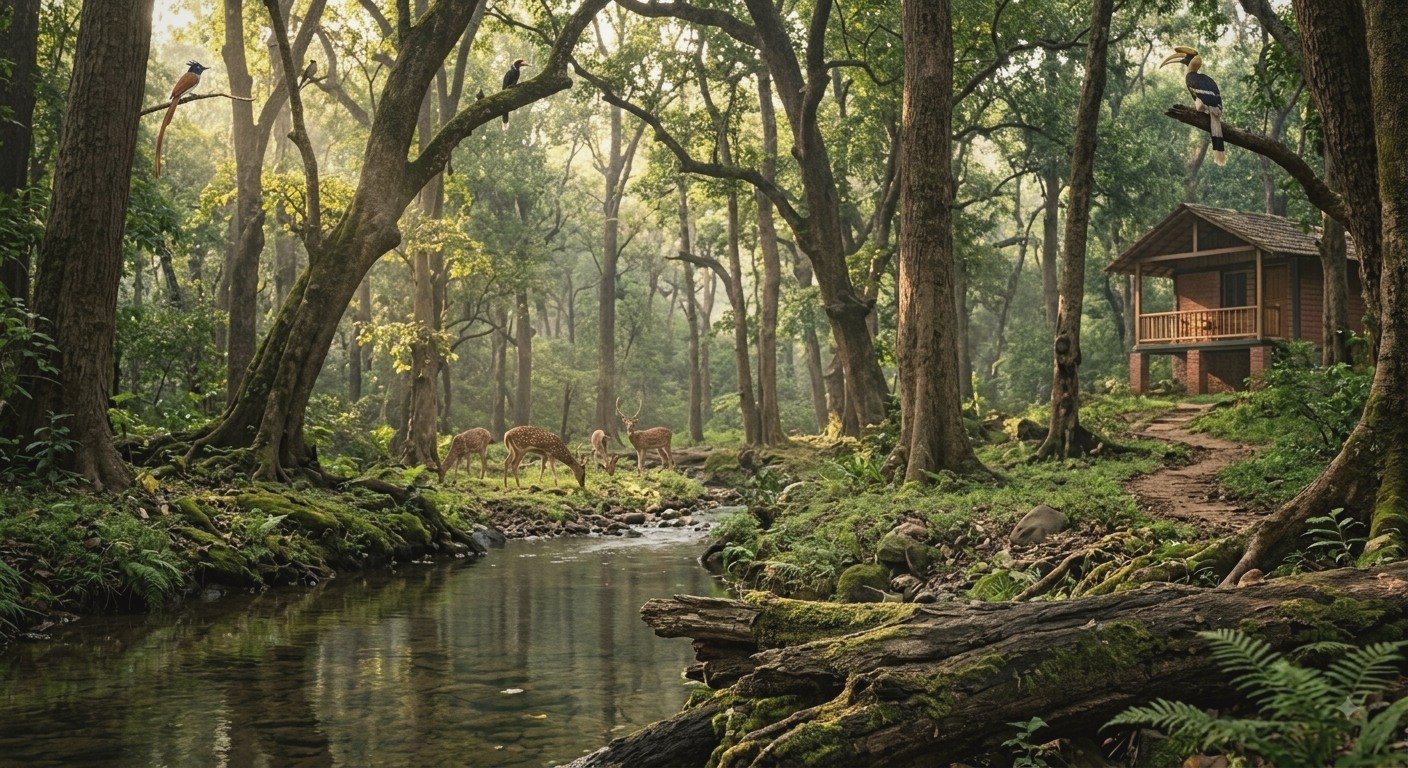
Originating in Japan as Shinrin-yoku, "forest bathing" is the practice of immersing yourself in the sights, sounds, and smells of the woods. Tree-filled environments are rich in phytoncides—natural organic compounds emitted by plants that have been shown to boost immune function, lower blood pressure, and improve mood. Simply walking beneath a canopy of green is scientifically proven medicine for a tired mind.
3. Awakening the Senses
City living tends to dull our senses through sensory overload. A wildlife sanctuary forces a gentle recalibration:
- Sound: The hum of traffic is replaced by rustling leaves, flowing streams, and bird calls echoing through the trees.
- Sight: Instead of harsh blue light from monitors, your eyes rest on soft, natural light filtering through the canopy.
- Smell: You trade exhaust fumes for rich, damp soil, fresh pine, and blooming wild flora.
Reconnecting with Nature and Yourself
Entering a forest reminds us that we are part of a much larger, interconnected ecosystem. Watching a herd of deer move quietly through the underbrush or listening to a troop of monkeys overhead instills a sense of wonder that everyday routines rarely provide. Nature operates without hurry, yet everything gets accomplished—a subtle reminder that we, too, can slow down without losing our way.
This external peace creates the space required for internal reflection. Away from daily pressures, your thoughts settle. You begin to listen to your own internal monologue with greater clarity, gaining fresh perspectives on personal goals, relationships, and priorities.
Tips for Planning Your Forest Escape
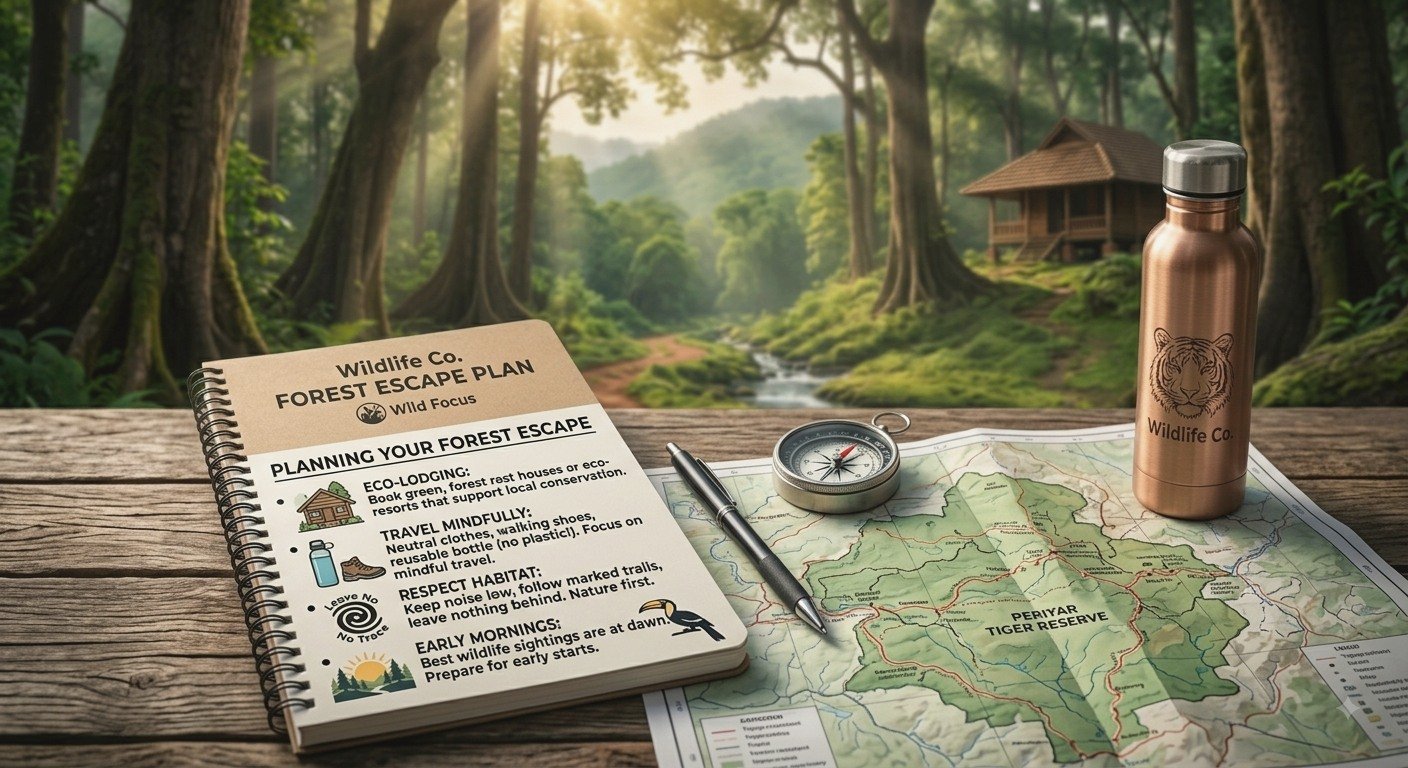
Choose Eco-Friendly Lodging: Book your stay at eco-lodging, forest rest houses, or sustainable resorts that minimize environmental impact and support local conservation efforts.
Travel Lightweight and Mindful: Pack comfortable walking shoes, neutral-colored clothing that blends into the environment, reusable water bottles, and a camera or journal.
Respect the Habitat: Follow the "Leave No Trace" principles. Stay on marked trails, keep noise levels low to avoid disturbing wildlife, and never leave trash behind.
Embrace Early Mornings: Wildlife is most active at dawn. Early morning safaris or guided walks offer the best chances for animal sightings and tranquil scenery.
Stepping into the wild is an investment in your well-being. The next time you plan a getaway, skip the bustling tourist hubs and seek out the stillness of a sanctuary. You will return home not just rested, but deeply grounded and reconnected with who you are.