
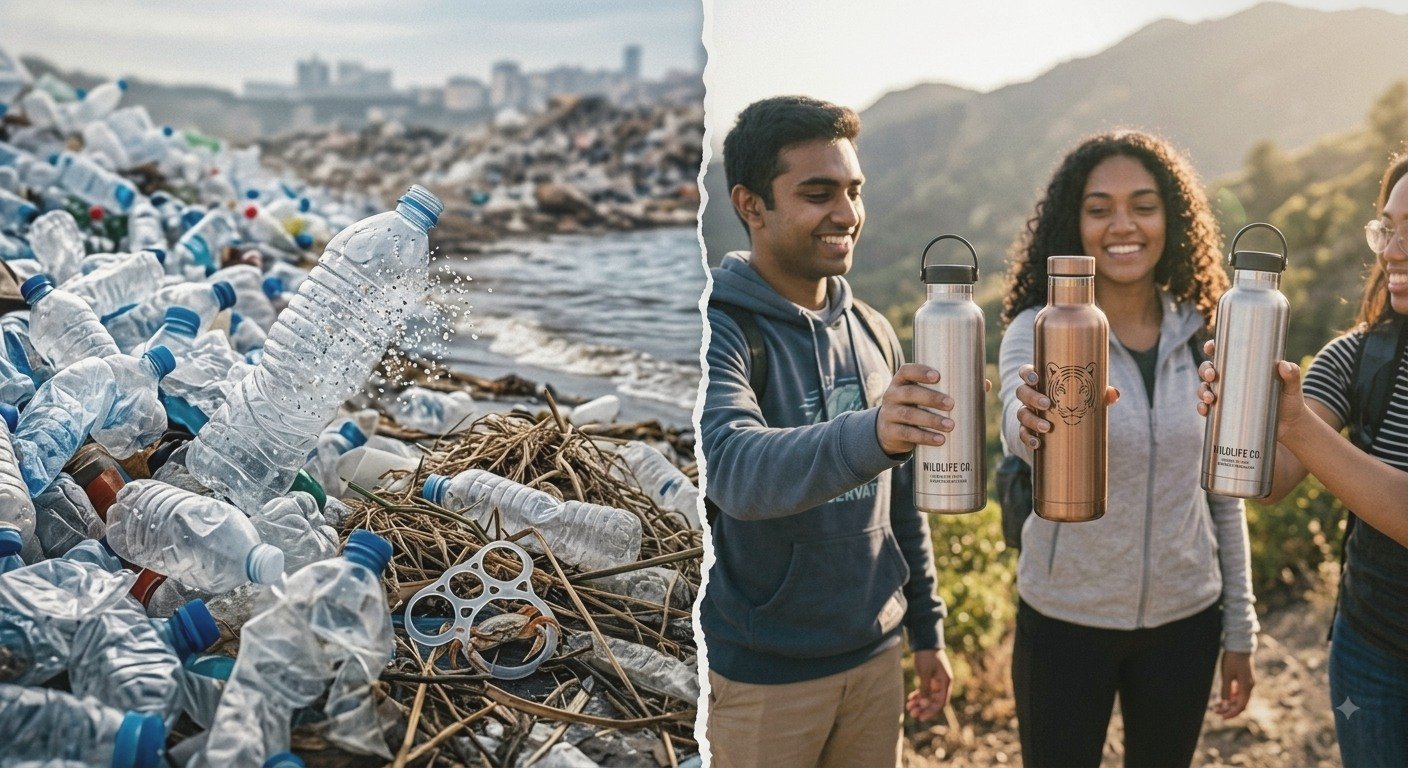
Over one million single-use plastic water bottles are purchased globally every single minute. Engineered for supreme convenience, these lightweight containers have become a default hydration solution for millions of people navigating busy, modern lifestyles. However, the brief utility of a disposable bottle—often lasting no more than fifteen minutes of drinking time—stands in stark contrast to its centuries-long environmental impact.
The single-use model has created a global ecological crisis that damages ecosystems, accelerates climate change, and introduces hidden health hazards directly into human bodies. Reclaiming our environment and safeguarding our health requires moving away from disposable culture, and making the switch to durable, food-grade stainless steel bottles is one of the simplest, most effective steps we can take.
The Environmental and Health Harms of Single-Use Plastic Bottles
1. A Lifespan of Centuries in Landfills and Oceans
Plastic water bottles are primarily manufactured from polyethylene terephthalate (PET), a petroleum-derived material designed to resist natural decomposition. A single plastic bottle can take anywhere from 400 to 700 years to break down in a landfill.
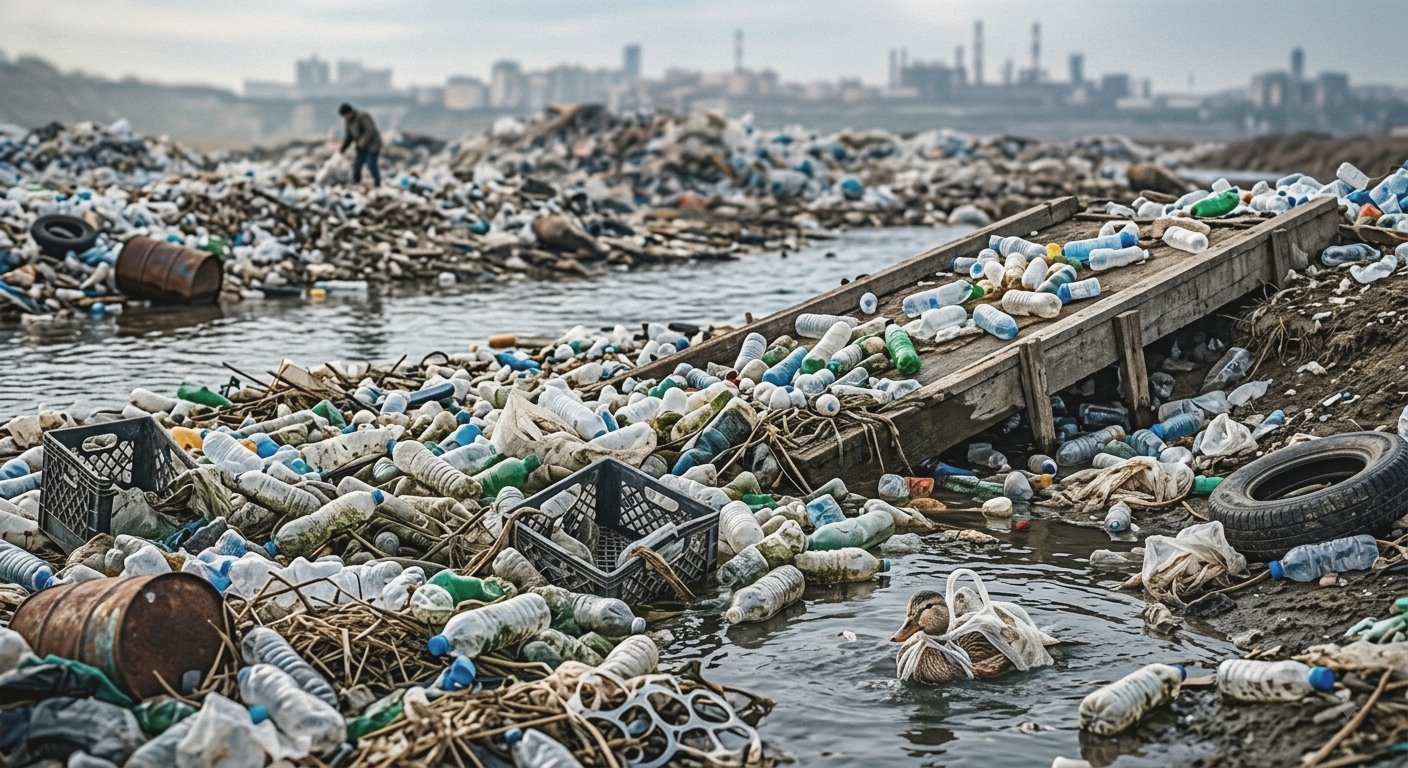
Globally, fewer than 10 percent of plastic water bottles are effectively recycled. The vast majority end up incinerated, dumped into overcrowded landfills, or washed into rivers and oceans. Millions of metric tons of plastic waste enter marine environments annually, where marine animals like sea turtles, whales, and birds mistake debris for food or become lethally entangled.
2. The Carbon Footprint of Bottled Water
The creation of single-use plastic is directly tied to the fossil fuel industry. Producing PET bottles requires significant volumes of crude oil and natural gas, emitting massive amounts of carbon dioxide and other greenhouse gases into the atmosphere. Furthermore, the logistics involved—filtering water, manufacturing bottles, filling them, and transporting heavy crates around the globe via freight trucks—gives bottled water a carbon footprint hundreds of times larger than municipal tap water. Ironically, making a single-use bottle actually consumes roughly twice as much water as the bottle itself holds.
3. Chemical Leaching and Microplastic Exposure
While environmental destruction is widely recognized, the direct health risks of consuming bottled water are increasingly coming to light. Under exposure to warmth, direct sunlight, or extended storage times, PET plastic can leach endocrine-disrupting chemicals like phthalates, antimony, and bisphenol derivatives into the liquid inside.
Even more alarming is microplastic contamination. Recent laboratory analyses show that roughly 93 percent of commercial bottled water contains microscopic plastic fragments. A typical liter of bottled water can harbor hundreds of thousands of micro- and nanoplastic particles shedding from the bottle cap and walls. When ingested daily, these microscopic particles can enter the bloodstream, triggering cellular stress, metabolic disruption, and systemic inflammation over time.
Steel Water Bottles: The Sustainable Solution
| Feature | Single-Use Plastic Bottle | Stainless Steel Bottle |
|---|---|---|
| Primary Material | Petroleum-based PET | Food-Grade 18/8 Steel |
| Average Lifespan | Minutes (Single usage) | Decades of daily reuse |
| Microplastic Hazard | High particle shedding | Zero plastic contact |
| Thermal Insulation | None (Warms up quickly) | Vacuum insulated (Hot/Cold) |
| Recyclability | Low global recycling rates | 100% endlessly recyclable |
Transitioning from disposable plastic to a high-quality stainless steel water bottle is a high-impact alternative that addresses these issues at their root. Made from food-grade stainless steel (typically 18/8 grade), metal flasks offer a permanent, non-toxic alternative for daily hydration.
1. Halting Waste at the Source
The most immediate benefit of adopting a steel bottle is the sheer volume of trash prevented. A single individual switching to a reusable vessel can divert approximately 200 to 400 single-use plastic bottles from landfills, roadsides, and oceans every single year. Steel is also infinitely recyclable; at the end of a steel bottle’s long lifespan, the metal can be melted down and repurposed without loss of quality, contributing to a clean circular economy.
2. Superior Thermal Performance
Unlike single-use plastic, double-wall vacuum-insulated steel bottles maintain liquid temperatures for extended periods—keeping water icy cold for up to 24 hours or drinks hot for up to 12 hours. This functional advantage makes carrying water comfortable and appealing whether traveling, exercising, or working at a desk.
3. Pure, Chemical-Free Hydration
Food-grade stainless steel is completely inert, meaning it will not leach chemicals, toxins, or strange flavors into your water regardless of temperature. Unlike plastic, which degrades over time and harbors bacteria in microscopic scratches, steel provides a hygienic, smooth surface that is easy to clean and entirely free from harmful plasticizers and nanoplastics.
4. Long-Term Financial Savings
While purchasing a premium stainless steel bottle requires an initial investment, it quickly pays for itself. Buying single-use bottled water daily costs consumers hundreds of dollars annually for a resource that is readily available from purifiers and taps for a fraction of a cent. Refilling a steel bottle at home or at public water stations eliminates an unnecessary recurring expense.
Making the Shift Toward Everyday Stewardship
Solving the global plastic crisis requires both systemic reform and individual action. Choosing a reusable steel bottle is one of the most accessible lifestyle shifts an individual can make to protect personal health, reduce carbon emissions, and preserve wildlife habitats.
By removing single-use plastic bottles from daily routines and replacing them with durable alternatives, consumers send a clear message to market forces: convenience should never come at the cost of the planet.