
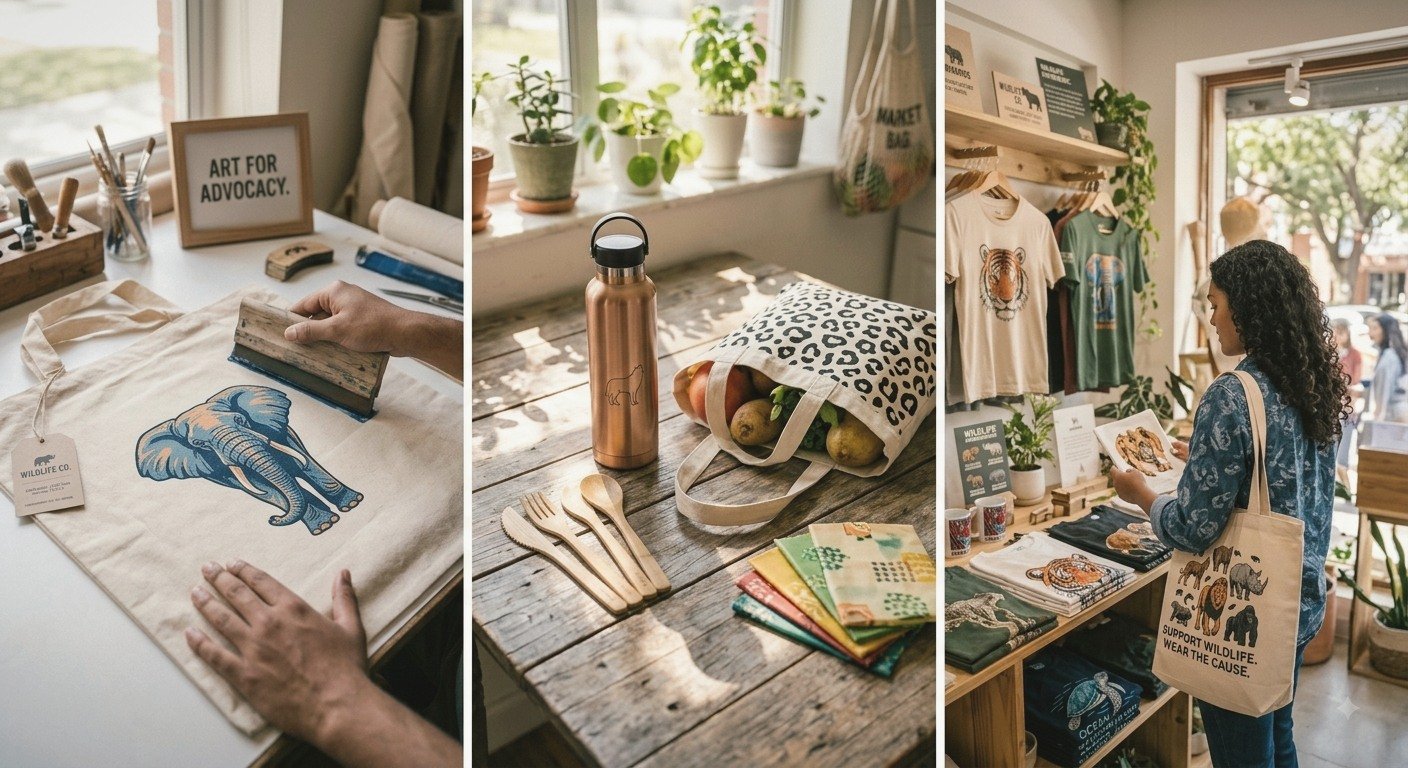
In an era of instant delivery and hyper-convenience, every purchase we make carries an unseen footprint. From the resources extracted to create a product to the carbon emitted during its shipping, modern retail has created a linear "take-make-waste" model that strains planet Earth's ecosystems. However, a growing movement is flipping this script: conscious consumerism.
Conscious consumerism is the practice of aligning everyday purchasing choices with personal values, particularly environmental sustainability and social responsibility. It isn't about perfection or giving up modern comforts; it is about intentionality. By understanding the lifecycle of what we buy and making minor, consistent shifts toward eco-friendly living, everyday choices can collectively shift global markets toward a healthier future.
The True Cost of Unchecked Consumption
To appreciate the necessity of conscious consumerism, we first need to look at the impact of standard retail practices. The linear economy relies heavily on disposable products, fast fashion, and excess packaging—all designed for short lifecycle utility before heading straight to a landfill.
- Resource Depletion: Manufacturing everyday goods consumes vast amounts of finite resources, including fresh water, timber, and crude oil.
- Pollution and Waste: Millions of tons of synthetic materials, chemical dyes, and non-biodegradable plastics end up in oceans and landfills annually, harming marine life and degrading soil health.
- Carbon Footprint: The global transport of short-lived consumer products contributes significantly to global greenhouse gas emissions, driving climate change.
Conscious consumerism disrupts this cycle by demanding better standards from manufacturers, voting with our wallets for products that honor both people and the planet.
Core Pillars of Eco-Living
Adopting an eco-conscious lifestyle doesn't require an all-or-nothing overhaul. Instead, it relies on a few fundamental principles that make sustainable decision-making straightforward and actionable.
1. Rethink and Reduce
The most sustainable product is always the one that already exists. Before buying something new, conscious consumers ask simple diagnostic questions: Do I genuinely need this? Can I borrow, rent, or buy it secondhand? Will this item serve a long-term purpose in my life? Reducing unnecessary impulse buys instantly curbs individual waste and saves money.
2. Prioritize Material Quality and Sourcing
When a purchase is necessary, the materials matter. Traditional synthetic fibers like polyester shed microplastics into water systems, while conventional agriculture relies heavily on toxic pesticides. Choosing lower-impact alternatives makes a measurable difference:
Organic Fibers: Materials like organic cotton or hemp require significantly less water to cultivate and eliminate toxic chemical runoff into local rivers.
Recycled Content: Products constructed from post-consumer recycled plastic bottles, reclaimed metals, or upcycled fabrics divert existing waste away from landfills.
Non-Toxic Dyes: Plant-based or water-conscious dyeing processes protect aquatic life near manufacturing hubs.
3. Support Brands with Purpose
Modern consumers hold immense power over brand behavior. Supporting companies that maintain transparent supply chains, pay fair living wages, and actively contribute to environmental causes sends a direct signal to the broader industry. Brands that donate a portion of sales to habitat restoration or wildlife conservation allow your purchases to fund positive change directly.
Practical Ways to Embrace Eco-Living Today
Shifting toward sustainable living is a gradual journey. Incorporating small, practical swaps into daily routines builds long-term habits that feel natural rather than restrictive.
In the Wardrobe: Build a Capsule Collection
Fast fashion encourages purchasing low-quality garments designed to wear out within a season. Shift toward a "quality over quantity" mindset by investing in timeless, well-made pieces using natural or recycled materials. Caring for clothing properly—washing in cold water and air-drying—extends the life of garments for years.
In the Kitchen and Bath: Eliminate Single-Use Plastics
Single-use plastics are among the biggest contributors to household waste. Replace disposable items with reusable, permanent alternatives:
Swap plastic water bottles for double-wall vacuum-insulated stainless steel bottles.
Replace plastic grocery bags with sturdy organic cotton tote bags.
Use bamboo toothbrushes and solid shampoo bars to eliminate plastic bathroom packaging.
Transition from disposable paper towels to washable microfiber or cloth rags.
At Home: Practice Energy and Resource Mindfulness
Eco-living extends beyond physical products to include how we manage household resources. Lowering room thermostats by a degree or two, switching to energy-efficient LED lighting, unplugging unused electronics, and composting organic food waste significantly lowers household carbon emissions and utility bills.
The Ripple Effect of Conscious Choices
A common misconception is that one person’s choices cannot impact a global crisis. In reality, consumer demand directly dictates market supply.
When millions of individuals choose stainless steel bottles over disposable plastic, beverage companies adapt. When shoppers demand organic fabrics and ethical labor practices, fashion houses are forced to audit their supply chains. Conscious consumerism creates a powerful ripple effect: individual actions shape community norms, community norms drive market shifts, and market shifts influence global policy.
Eco-living isn't about achieving absolute zero-waste or living perfectly off the grid. It is about making thoughtful, informed choices every single day. By prioritizing durability, ethical sourcing, and environmental responsibility, we transform routine shopping into a force for ecological stewardship—ensuring that the products we enjoy today don't compromise the world of tomorrow.